Abstract
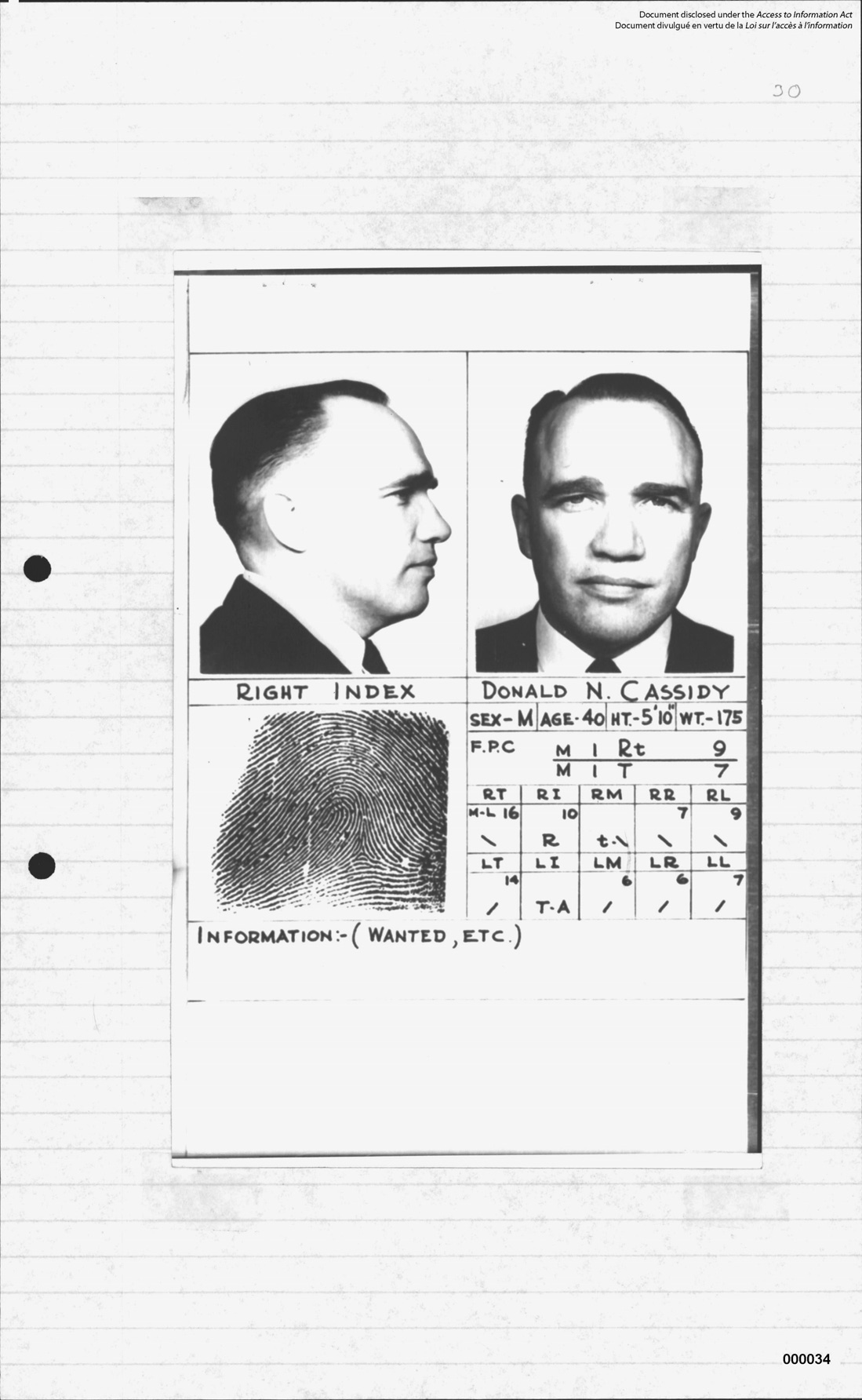
Facsimile technology provided a solution to the temporal and spatial limitations of police photographs, following transformative changes in nineteenth-century telecommunications technologies that bound media across either space or time. What law enforcement like the RCMP wanted was a technology that could do both simultaneously. John Durham Peters has asserted that these technologies “allowed for entirely new kinds of raids on and representation of the human form,” which “seemed to vaporize personages into … images. To interact with [or, for police, to identify] another person could now mean to read media traces.” Fax technology, in its ideal police application, would accelerate this process by taking these vaporized-criminals-cum-image and enable them to be scrutinized and identified by those at a geographic remove. These devices did not alter time, space, or bodies; they altered how time, space, and bodies were conceived and engaged with via imaging technology. Wirephoto represented the possibility of a unified, nationwide law enforcement apparatus that allowed criminal images to transcend spatial and temporal boundaries, thereby contributing to an official national unity overseen by the highest levels of Canadian law enforcement and supported by the federal government.